
A Practical Overview of Partially Finished Lower Receivers and Their Uses
Partially finished lower receivers have become a topic of discussion among firearm enthusiasts and hobby builders. These components are not fully machined, which means additional work is required before they can function in a complete setup. Many people are drawn to them because of the hands-on aspect of building. It offers a different experience compared to buying a fully assembled firearm. Interest has grown steadily over the years.
What Partially Finished Receivers Are and How They Work
A partially finished lower receiver is an incomplete component that requires machining before it can be used. Typically, key areas such as the fire control cavity are not fully milled out. This means the part cannot function until additional steps are taken. The unfinished state is what defines it. It is not ready out of the box.
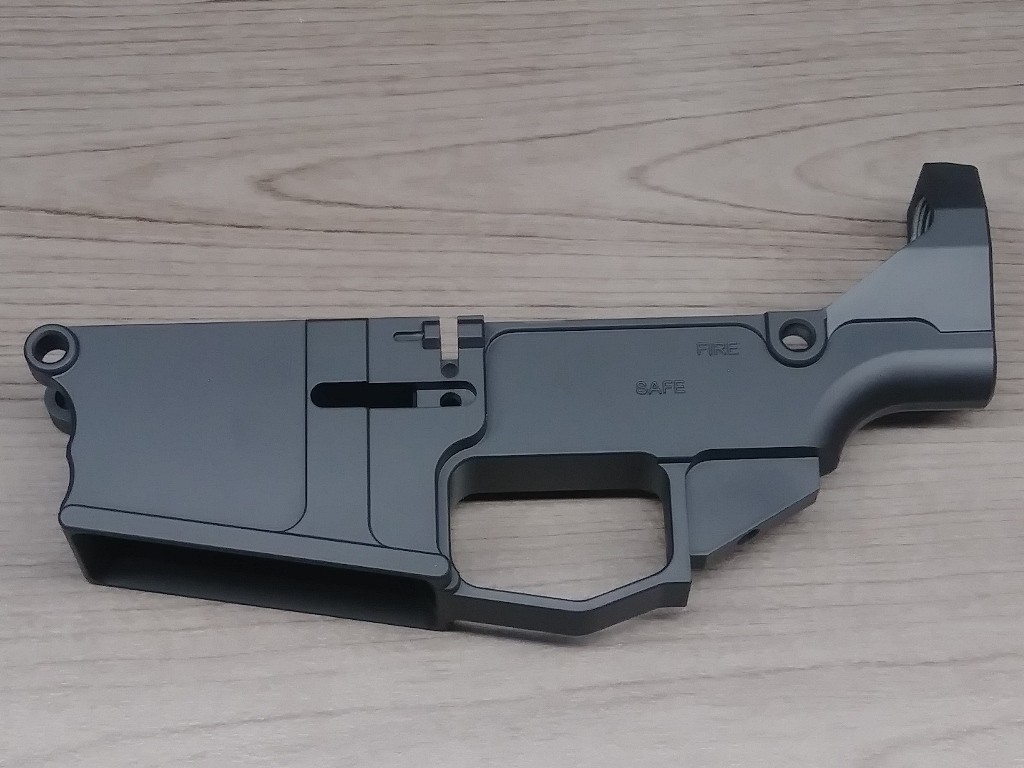
Most of these receivers are made from aluminum, often 6061 or 7075 grade, which provides a balance between strength and weight. Builders must complete certain sections using tools and guides. The process requires careful measurement and attention to detail. Even a small error can affect the final result. Precision is critical.
These components are often associated with DIY projects. Some individuals enjoy the process of completing a receiver themselves. It allows for a deeper understanding of how the system works. That hands-on experience is appealing. It also requires patience.
Factors to Consider Before Starting a Build
Before working with a partially finished receiver, several factors should be considered. Tools are one of the biggest requirements. A drill press or milling machine is often needed to complete the necessary cuts. Without proper equipment, the process becomes much more difficult. Preparation matters.
Many online resources provide product listings and details, including options like 80% lowers that show compatibility with different calibers and configurations. Reviewing these listings helps builders understand what they are working with before starting. It also helps avoid choosing the wrong type. Research reduces mistakes.
Time is another factor to think about. Completing a receiver can take several hours depending on experience and tools available. Some builders spend 3 to 5 hours on their first attempt. Rushing the process can lead to errors. Taking time improves results.
Legal Awareness and Regional Differences
Laws regarding partially finished receivers vary widely depending on location. Some regions have strict rules about ownership, purchase, and completion. Others may allow them with fewer restrictions. Checking local regulations is essential before starting any project. This step should not be ignored.
Changes in laws have occurred over time, which makes staying informed important. What was allowed a few years ago may be restricted now. Builders should always verify current regulations. Reliable sources help. Guessing is not a good idea.
Compliance goes beyond just owning the component. Rules may also apply to how it is completed or transferred. Understanding these details helps avoid legal issues. Awareness protects the builder. It also ensures responsible ownership.
Tools and Equipment Commonly Used
Completing a partially finished receiver requires specific tools. A jig is often used to guide drilling and milling operations. This helps ensure cuts are made in the correct locations. Without a jig, accuracy becomes much harder to achieve. Good tools make a difference.
Common tools used in the process include drills, end mills, and measuring instruments. Each tool serves a specific purpose during the build. Proper setup is important for safety and accuracy. Mistakes can happen. Care reduces risk.
Here are a few commonly used items in these projects:
– A jig system designed to hold the receiver in place and guide cutting operations with proper alignment.
– A drill press or milling machine capable of making precise cuts in aluminum material without excessive vibration.
– Measuring tools such as calipers to ensure dimensions are within acceptable tolerances during the process.
Challenges and Common Mistakes
Working with a partially finished receiver can be challenging, especially for those new to the process. One common mistake is removing too much material. This can weaken the structure or make the component unusable. Precision matters. There is little room for error.
Another issue is improper alignment during drilling or milling. If holes are not placed correctly, parts may not fit as intended. This can affect function later on. Careful setup reduces these risks. Taking time helps.
Some builders underestimate the importance of patience and preparation, and they rush through the process without checking measurements carefully, which can lead to costly mistakes that require starting over with a new component.
Maintenance and Long-Term Considerations
Once completed, the receiver should be maintained like any other firearm component. Cleaning and inspection are necessary to ensure proper function over time. Dirt and debris can affect performance. Regular checks help prevent issues. It does not take long.
Wear should also be monitored. Areas that experience repeated stress may show signs of use after several hundred rounds. Replacing worn parts helps maintain reliability. Small checks can prevent larger problems. Consistency matters.
Storage conditions are important as well. Keeping the component in a dry environment helps prevent corrosion. Some users store their equipment in safes or protective cases. Temperature changes should be minimal. Simple steps extend lifespan.
Partially finished receivers offer a unique hands-on experience for those interested in building and understanding firearm components, requiring careful planning, proper tools, and attention to legal requirements while rewarding patience and precision through a deeper connection to the final assembled system.
Leave a Reply